· Zoey the Dachshund · Food and Treats · 3 min read
Fiber for Dachshunds: Why It Matters and What We Feed Zoey
Fiber for dachshunds isn't optional — it directly affects anal gland health. Here's why pumpkin works and how we simplified the recipe for one dog.
If you have ever watched a dachshund scoot across the carpet, fiber is the conversation you need to have with your vet. Fiber for dachshunds is not just a nutrition checkbox — it is directly connected to anal gland health, and getting it wrong is uncomfortable for the dog and unpleasant for everyone else.
Why Fiber and Anal Glands Go Together
The anal sac glands in dogs are expressed naturally when the stool is firm and bulky enough to put pressure on them as it passes. When the diet lacks fiber, the stool is soft, the glands do not empty properly, and the result is scooting, discomfort, and eventually an infected or impacted gland that requires a vet visit. Odie from the original 3doxies household dealt with this repeatedly before a vet-recommended fiber change made a lasting difference.
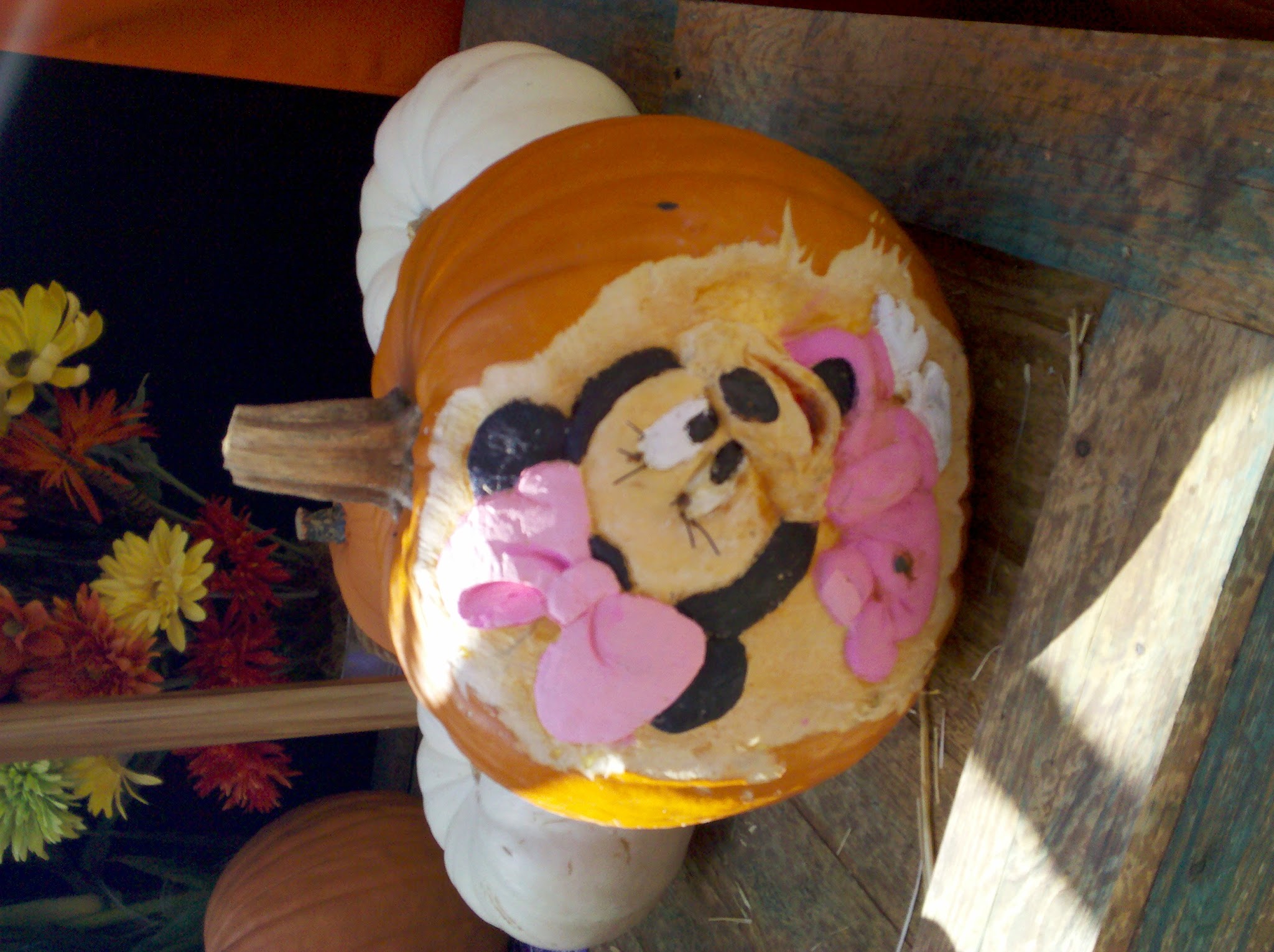
The fix is bulkier stools, and the most effective way to get there naturally is pumpkin. Canned pumpkin delivers around 5g of fiber per half cup, mixes easily into food, and is available year-round. It has no added ingredients to worry about and dogs eat it willingly — even picky ones.
Cooking for One: The Switch to Chicken Tenders
The original recipe at 3doxies was two chicken breasts cooked every other day, mixed with a can of pumpkin, yielding six servings for three dogs. With Zoey as a solo dog, that math does not work — two breasts is too much for one small dachshund, and the leftovers do not keep well enough to justify the batch.
The switch was to chicken tenders. They are easier to portion for a single dog, cook quickly, and pair with pumpkin exactly the same way. We use the Member’s Mark brand from Sam’s Club. The reason we settled on it is that the tenders do not have a lot of crystals — a good sign for quality and mineral content, which matters when you are feeding this diet daily.
The recipe is simple: cook one or two tenders, dice or shred, mix with a tablespoon or two of canned pumpkin. Adjust the pumpkin amount to your dog’s size and stool consistency.
If You Need a Supplement
If the diet alone is not enough bulk, Konsyl is worth keeping on hand. It is made from psyllium husks with no added sugar or sugar substitutes — unlike most over-the-counter fiber supplements marketed for humans. A quarter teaspoon mixed into food is usually enough to help when needed. Use it sparingly and follow the label.
The goal is a consistent, natural diet that handles the fiber load on its own. For Zoey, chicken tenders and pumpkin do exactly that.
- Dachshunds
- Food & Treats
- Dachshund Health