· Zoey the Dachshund · Life as a Dachshund · 2 min read
Dachshund Breed History: From German Badger Hunter to Family Favorite
Dachshund breed history goes back 600 years to German hunting dogs built to pursue badgers underground. Here's how that working dog became your lap dog.

The name “dachshund” translates from German as “badger dog” — which tells you almost everything about dachshund breed history and why we are built the way we are. Long, low, and extremely difficult to redirect once we’ve decided something is worth pursuing.
Built for Underground Work
Dachshunds were developed in Germany, with early records dating to the 15th and 16th centuries. Breeders needed a dog that could follow a badger into its burrow, fight it underground, and drag it back out. That required specific physical traits: a long body to navigate tunnels, short muscular legs to scramble through them, a thick forechest built for digging, and a loud enough bark that hunters could track the dog below ground.
Every feature that makes a dachshund look ridiculous on a leash — and magnificent everywhere else — was an intentional design decision made by working hunters hundreds of years ago.
Standard vs. Miniature
The standard dachshund came first, bred to go after badgers and wild boar. The miniature followed, developed for pursuing rabbits through narrower burrows. The American Kennel Club recognizes both: standard (16–32 lbs) and miniature (up to 11 lbs). The “teacup” variety you may see advertised is not AKC recognized.
Miniatures are by far the more popular pet size in the United States today — partly because they fit on laps, and partly because their owners are easier to guilt into extra treats. Do not let them tell you otherwise. And if someone calls your dachshund fat, we have thoughts on that.
Three Coat Types
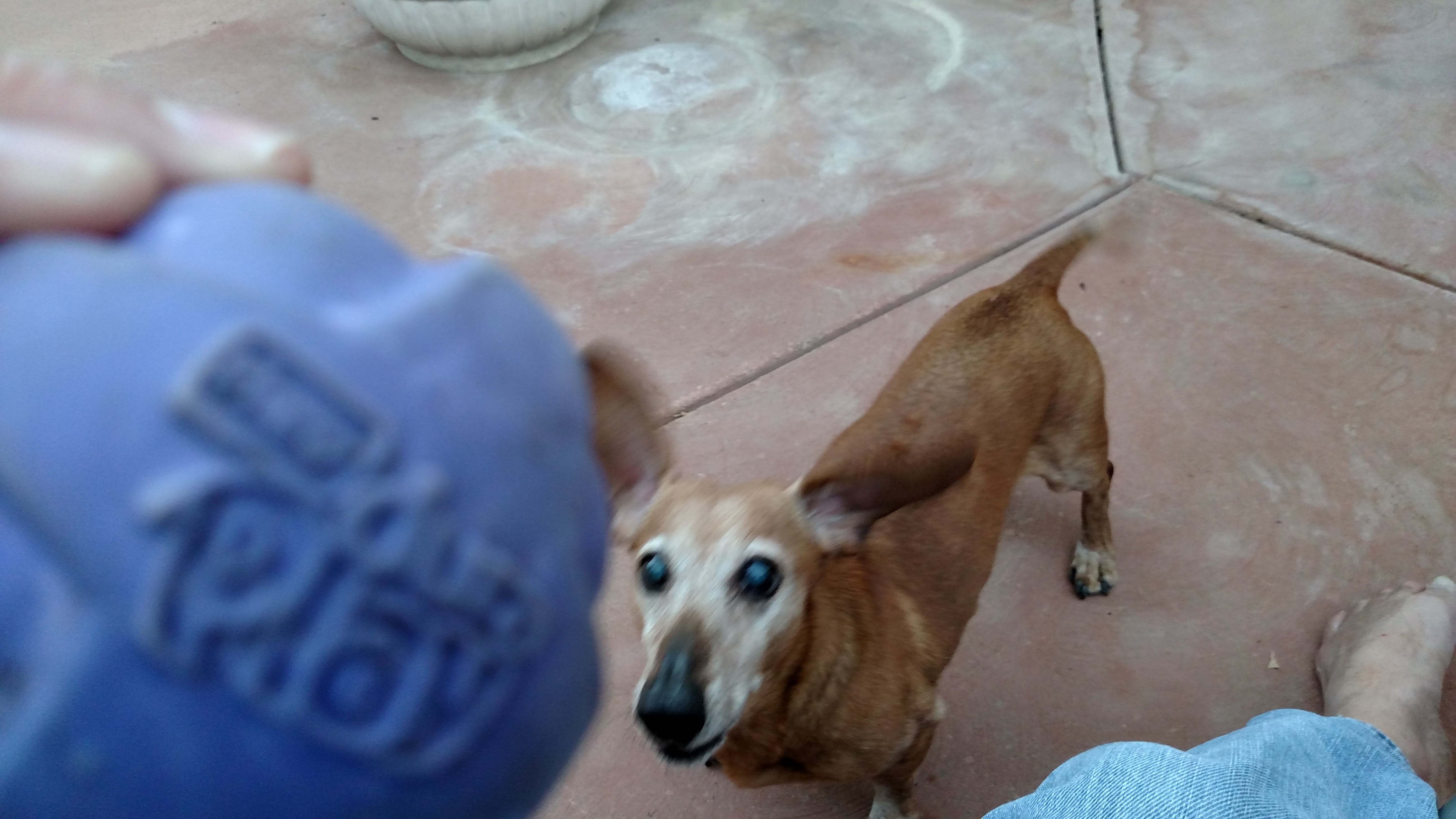
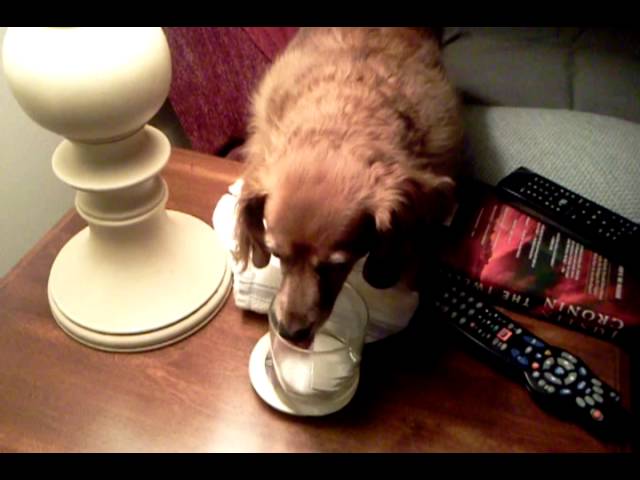
Three coat varieties exist: smooth, longhaired, and wirehaired. Smooth is the classic short-furred look. Longhaired dachshunds have a silkier coat and tend to present as slightly more dignified (emphasis on slightly). Wirehaired dachshunds, with their bristled coat and distinctive eyebrows, are the least common variety.
Colors range widely: solid red, black-and-tan, chocolate, cream, dappled, and brindle, with many recognized pattern combinations.
From the Burrow to the Blanket
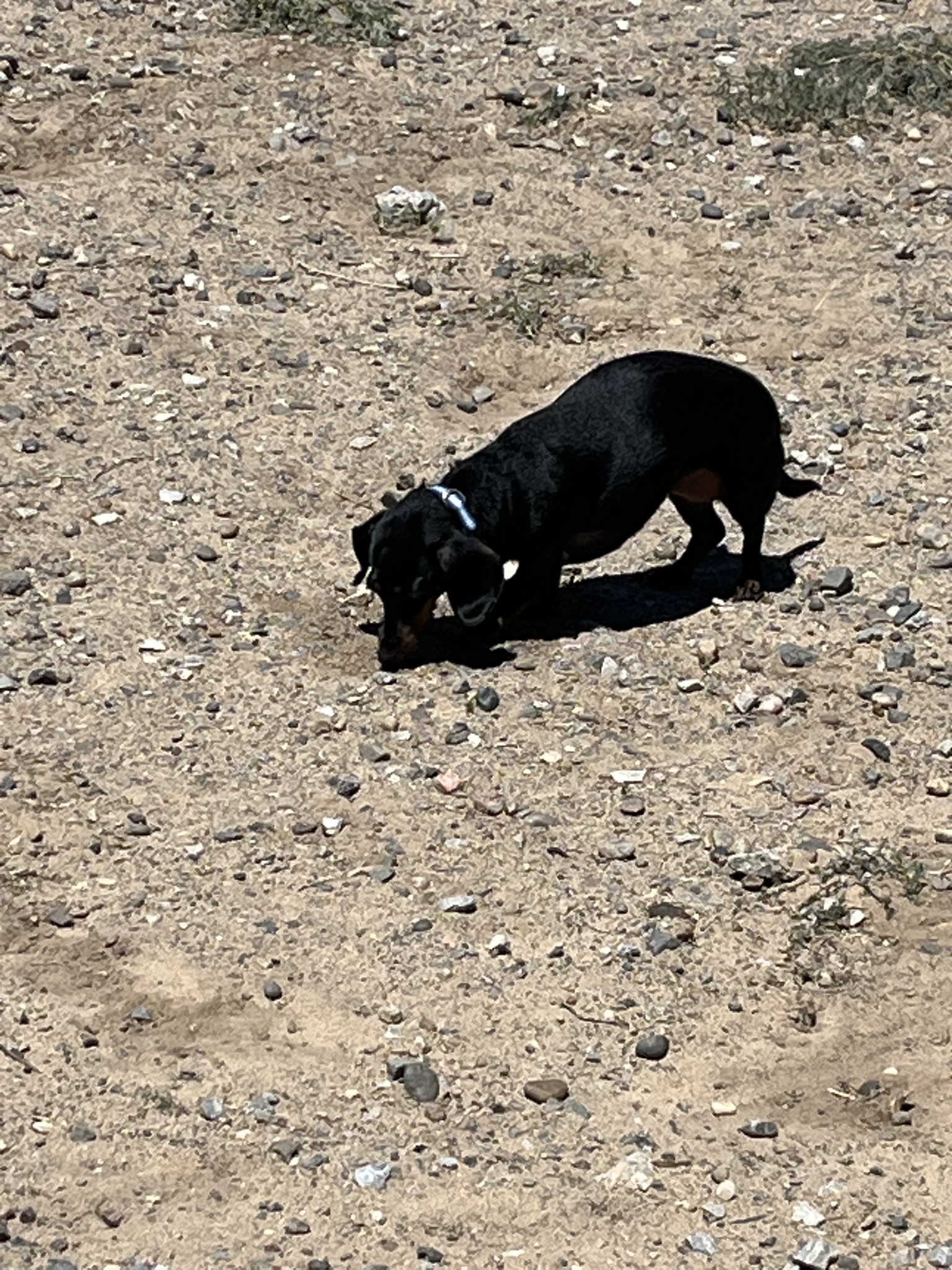
Today the dachshund is kept almost exclusively as a companion, but the hunting instincts never went away. Stubbornness, prey drive, digging, and a powerful tendency to burrow under any available blanket are all direct products of what the breed was selected to do for centuries.
The job description has changed considerably. The dog has not changed at all.
- Dachshunds
- Breed Info